
How to Prevent Hip Fractures in Older Adults | Aashish Taneja Health Guide
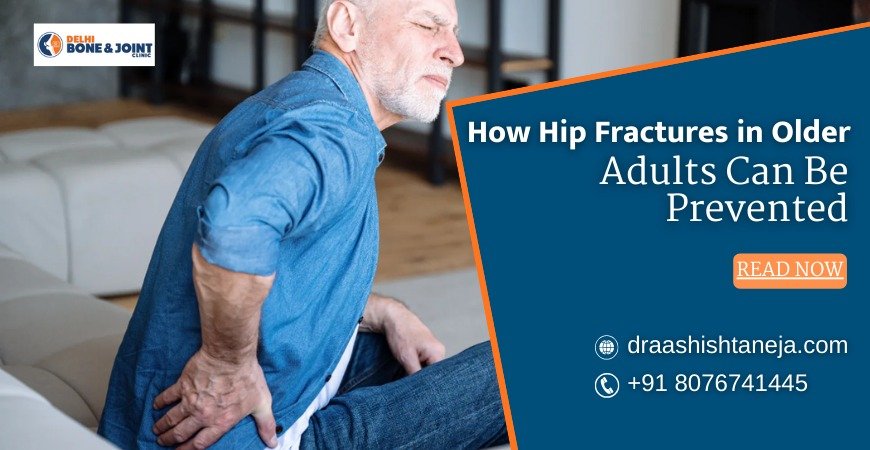
How to Prevent Hip Fractures in Older Adults | Aashish Taneja Health Guide
Introduction
Hip fractures are among the most serious injuries affecting older adults, often leading to reduced mobility, long-term recovery challenges, and decreased independence. As families search for trusted orthopedic solutions like the Best Fracture Treatment in Janakpuri, it’s equally important to focus on prevention. This blog, prepared for Aashish Taneja, explains simple yet powerful ways to reduce the risk of hip fractures and promote safer aging.
1. Know the Risk Factors
Understanding what increases the chances of hip fractures helps you prevent them early. Major risk factors include:
- Osteoporosis and low bone density
- Poor balance or muscle weakness
- Medications causing dizziness
- Vision or hearing impairments
- Slippery or cluttered home environments
Addressing these risks can dramatically reduce fall-related injuries.
2. Strengthen Bones Through Diet
Nutrition plays a key role in maintaining strong bones. Encourage older adults to consume:
- Calcium-rich foods such as milk, yoghurt, almonds, and leafy greens
- Vitamin D, either through sunlight or supplements
- Protein, essential for bone and muscle repair
A strong nutritional foundation minimizes the likelihood of fractures that may require services like the Best Fracture Treatment in Janakpuri.
3. Promote Regular Exercise
Physical activity enhances balance, mobility, and muscle strength. Recommended exercises include:
- Light walking
- Tai Chi and yoga
- Strength training with resistance bands
- Simple balance exercises
These activities improve stability and reduce the risk of falls at home or outdoors.
4. Improve Home Safety
Most hip fractures occur due to indoor falls. Small home adjustments go a long way:
- Install grab bars in bathrooms
- Improve lighting in staircases and hallways
- Remove loose carpets and clutter
- Use non-slip mats in wet areas
- Keep essential items within easy reach
Creating a safer home environment is one of the most effective prevention strategies.
5. Review Medications Regularly
Some medications can cause dizziness or drowsiness, increasing the risk of falls. Regular consultations with a doctor ensure prescriptions are safe and necessary.
6. Schedule Vision and Hearing Checkups
Even small vision or hearing issues can increase fall risks. Routine checkups help older adults stay aware of their surroundings and avoid unexpected obstacles.
7. Use Assistive Devices When Needed
Encourage the use of canes, walkers, or mobility aids when appropriate. These tools help maintain balance and confidence, especially outdoors or on uneven surfaces.
8. Prioritize Bone Density Tests
Early detection of osteoporosis can make a big difference. Doctors may recommend medication or lifestyle changes to strengthen bones and prevent fractures that could lead to treatments like the Best Fracture Treatment in Janakpuri.
9. Choose Safe Footwear
Good footwear should be:
- Comfortable
- Supportive
- Slip-resistant
Avoid high heels, loose slippers, or worn-out shoes.
10. Stay Prepared With an Emergency Plan
Even with all precautions, accidents can still happen. Families who stay informed about the Best Fracture Treatment in Janakpuri often prepare emergency contacts, instructions, and transportation plans to act quickly if a fall occurs.
Conclusion
Hip fracture prevention begins with awareness, healthy habits, and a safe living environment. By focusing on nutrition, exercise, home safety, and regular health checkups, older adults can significantly reduce their risk of injury. With guidance tailored for Aashish Taneja, these steps offer a practical path toward safer and healthier aging.
FAQs
1. What causes most hip fractures in older adults?
Falls due to weak bones, poor balance, or unsafe environments are the main causes.
2. Can exercise really reduce hip fracture risk?
Yes, strength and balance exercises greatly lower the chances of falls.
3. How important is diet in fracture prevention?
Very important—calcium, vitamin D, and protein directly support bone strength.
4. How often should older adults get bone density tests?
Every 1–2 years, depending on a doctor’s recommendation.
5. What simple home changes can prevent falls?
Better lighting, clutter removal, non-slip mats, and grab bars significantly improve safety.