Sports Injury & Arthroscopic Surgery
Sports Injury & Arthroscopic Surgery
Whether you’re a professional athlete, a weekend fitness enthusiast, or someone who simply enjoys staying active, a sports injury can be incredibly frustrating. It not only limits your performance but also affects your confidence, daily movement, and overall quality of life. Sports Injury & Arthroscopic Surgery is a highly advanced, minimally invasive treatment option designed to help patients recover faster, move better, and return to the activities they love.
Arthroscopy has revolutionized sports medicine by allowing surgeons to diagnose and treat joint problems using tiny incisions, high-definition cameras, and ultra-fine instruments. This means less pain, faster recovery, fewer complications, and a much smoother journey back to peak physical performance.
What Is Arthroscopic Surgery?
Arthroscopy is a minimally invasive surgical technique used to visualize, diagnose, and treat joint injuries using a small camera called an arthroscope. Unlike traditional open surgery, arthroscopy requires only tiny cuts, resulting in:
-
Minimal tissue damage
-
Shorter recovery time
-
Reduced scarring
-
Less postoperative pain
It is commonly used to treat injuries in active individuals, athletes, and people suffering from joint wear and tear.
Common Sports Injuries Treated with Arthroscopy
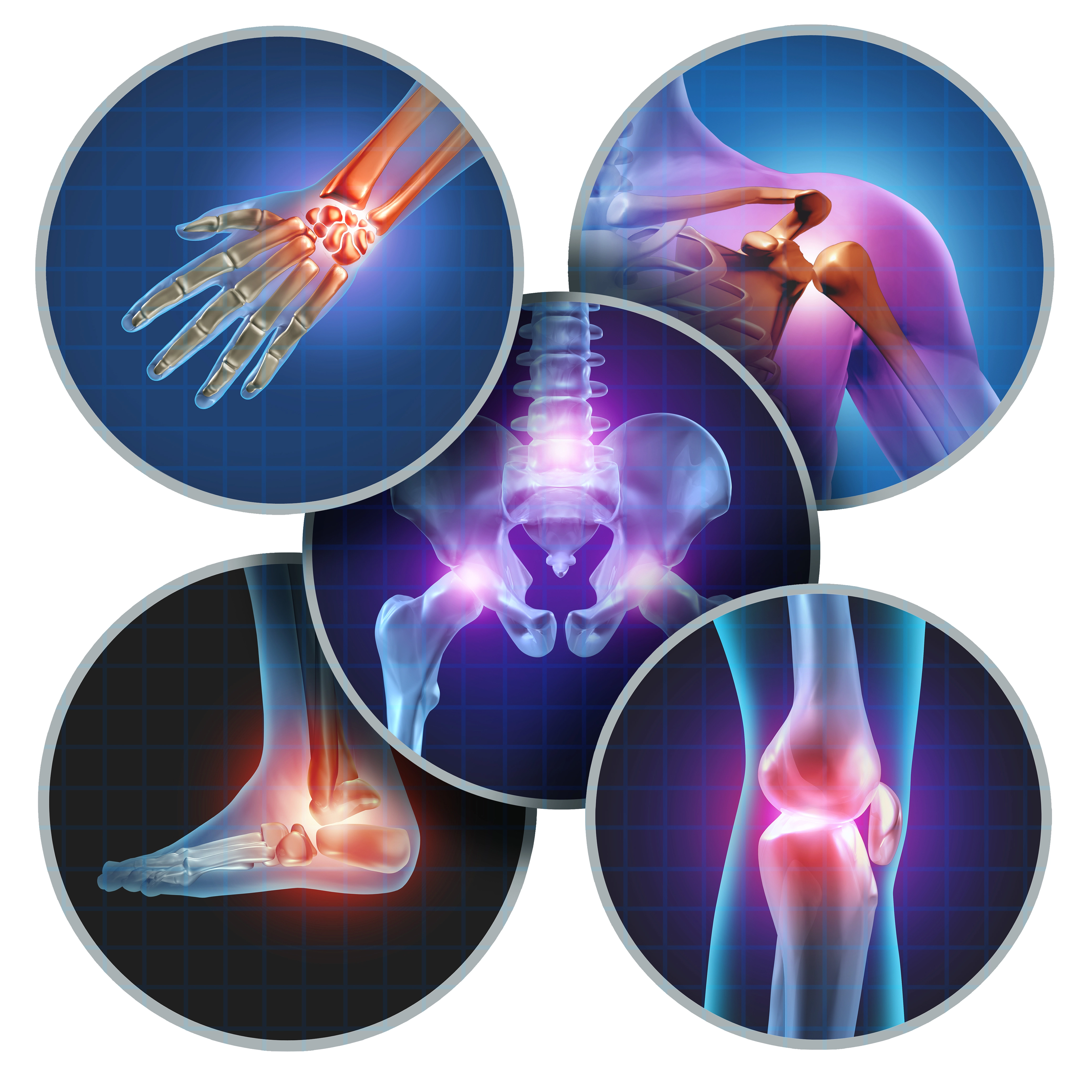
Arthroscopic surgery is ideal for managing a wide range of injuries across different joints. Some of the most common conditions treated include:
1. Knee Injuries
-
ACL/PCL tears
-
Meniscus tears
-
Cartilage damage
-
Patellar instability
-
Ligament sprains
2. Shoulder Injuries
-
Rotator cuff tears
-
Bankart lesions
-
Shoulder instability
-
Labral tears
-
Impingement syndrome
3. Hip Injuries
-
Labral tears
-
Femoroacetabular impingement (FAI)
-
Cartilage injuries
-
Snapping hip syndrome
4. Ankle Injuries
-
Ligament tears
-
Chronic instability
-
Osteochondral lesions
Arthroscopy is preferred by athletes because it allows them to heal faster and return to training or competition with confidence.
Why Choose Arthroscopic Surgery for Sports Injuries?
Sports injuries often involve delicate structures like ligaments, tendons, and cartilage. Arthroscopy provides unmatched precision in treating these structures without damaging surrounding tissues. The key benefits include:
-
Minimally invasive
-
Highly accurate diagnosis
-
Short rehabilitation period
-
Less hospital stay
-
Faster return to sports
-
Lower risk of infection and complications
Patients often resume normal activity within days and return to sports training within weeks (depending on injury intensity).
How the Procedure is Performed
Arthroscopic surgery is typically completed in 30–90 minutes, depending on the injury. A tiny camera is inserted through a small incision, giving the surgeon a clear and magnified view of the joint. Specialized instruments are then used to repair damaged tissues, reconstruct ligaments, or smooth cartilage.
Because the operation is minimally invasive, patients can often go home the same day and begin gentle movement almost immediately.
Recovery & Rehabilitation
Recovery after arthroscopic surgery is relatively quick. A customized rehabilitation plan helps restore:
-
Strength
-
Flexibility
-
Stability
-
Coordination
Physiotherapy is a crucial part of the healing process and helps athletes return to full performance safely and confidently.
Most patients:
-
Resume routine activities in 1–2 weeks
-
Return to light sports activities in 4–6 weeks
-
Return to full competitive sports in 3–6 months (depending on the injury)
Who Benefits From Arthroscopic Surgery?
This procedure is recommended for:
-
Athletes with ligament or cartilage injuries
-
People with chronic joint pain that does not improve with physiotherapy
-
Patients with joint instability
-
Individuals suffering from mechanical symptoms like locking or clicking
-
Anyone seeking a quicker, safer alternative to open surgery
Arthroscopy is suitable for patients of all ages, from young athletes to active adults.
Frequently Asked Questions (FAQs)
1. Is arthroscopic surgery painful?
Arthroscopic surgery is less painful than open surgery. Most patients experience mild discomfort for a few days, which is easily managed with medication and ice therapy.
2. How soon can I return to sports after arthroscopy?
Return to sports depends on the type of injury and repair performed. Minor injuries may allow return within 4–6 weeks, while ligament reconstructions may require 3–6 months.
3. Can arthroscopy treat all sports injuries?
While arthroscopy treats a wide range of injuries, some severe fractures or major joint deformities may require open surgery. Your surgeon will recommend the most effective option based on your condition.
4. Is arthroscopic surgery safe?
Yes, it is very safe. With small incisions, minimal tissue damage, and quick recovery, arthroscopy has one of the highest safety profiles in orthopedic surgery.
5. Do I need physiotherapy after arthroscopic surgery?
Absolutely. Physiotherapy plays a key role in strengthening the joint, improving mobility, and enabling a full return to sports. Skipping physiotherapy can delay recovery.