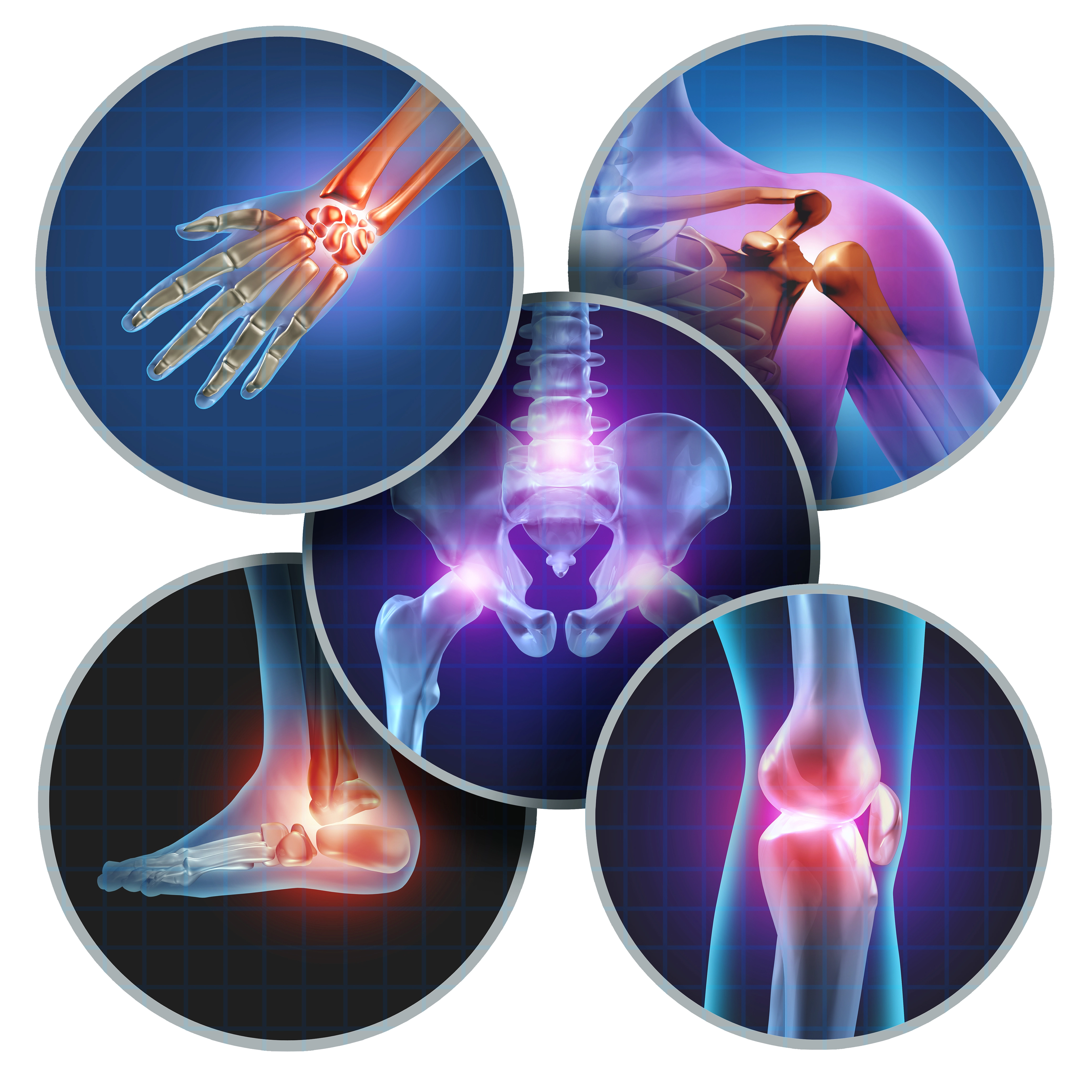
Non-Surgical Pain Management
Non-Surgical Pain Management
Advanced, Safe & Effective Relief Without Surgery
Living with persistent pain—whether in the back, neck, joints, or muscles—can deeply affect your daily life. Pain can limit movement, disturb sleep, reduce productivity, and take a toll on emotional well-being. But not all painful conditions require surgery. Today, many orthopedic and musculoskeletal issues can be successfully treated with non-surgical pain management, helping patients regain comfort, mobility, and quality of life without going under the knife.
Non-surgical pain management uses a combination of advanced therapies, targeted procedures, medications, physiotherapy, and lifestyle modifications to diagnose and treat the root cause of pain. It is ideal for patients who want safe, minimally invasive, and long-lasting relief—especially those not fit for surgery or wishing to avoid it altogether.
What Is Non-Surgical Pain Management?
Non-surgical pain management involves evaluating your condition, identifying the origin of your pain, and offering effective treatments that do not involve open surgery. These methods are designed to:
-
Reduce pain
-
Improve mobility and function
-
Strengthen muscles and joints
-
Slow down the progression of chronic conditions
-
Avoid unnecessary surgical intervention
By combining modern technology, medical expertise, and personalized treatment plans, non-surgical care often helps patients return to normal life quicker and with minimal discomfort.
Conditions Treated With Non-Surgical Pain Management
Many patients benefit from non-surgical care, including those with:
1. Back & Neck Pain
-
Muscle strain
-
Disc bulges
-
Cervical or lumbar spondylosis
-
Sciatica
-
Facet joint arthritis
Targeted therapies reduce nerve compression, inflammation, and stiffness.
2. Knee Pain
-
Early osteoarthritis
-
Ligament sprains
-
Tendonitis
-
Meniscus injuries
-
Patellofemoral pain
Non-surgical methods help delay or even avoid knee replacement in many cases.
3. Shoulder Pain
-
Rotator cuff injuries
-
Frozen shoulder
-
Bursitis and tendonitis
-
Shoulder impingement
Therapies focus on improving joint mobility and reducing inflammation.
4. Hip Pain
-
Early arthritis
-
Hip impingement
-
Bursitis
-
Muscle tightness
A combination of therapy and guided injections often restores comfort and movement.
5. Sports Injuries
-
Overuse injuries
-
Tendon and muscle strains
-
Ligament sprains
-
Stress fractures
Athletes benefit greatly from non-surgical treatments designed to promote faster recovery.
6. Chronic Pain Conditions
-
Arthritis
-
Postural strain
-
Fibromyalgia
-
Myofascial pain syndrome
Non-surgical care helps in long-term pain control and functional improvement.
Advanced Non-Surgical Treatment Options
Modern pain management offers powerful, minimally invasive solutions that provide excellent results:
1. Physiotherapy & Exercise Therapy
A cornerstone of non-surgical care, physiotherapy strengthens muscles, improves flexibility, and restores joint mobility. Customized exercise plans help reduce pain and prevent future injuries.
2. Medications & Anti-Inflammatories
Medications may be prescribed to reduce inflammation, relax muscles, or manage nerve-related pain. These are used wisely and only when necessary.
3. Image-Guided Injections
These injections deliver targeted relief to the exact source of pain using ultrasound or fluoroscopic guidance.
Common types include:
-
Corticosteroid injections
-
Hyaluronic acid (viscosupplementation) injections
-
Platelet-Rich Plasma (PRP) therapy
-
Trigger point injections
-
Nerve blocks
-
Facet joint injections
-
Sacroiliac joint injections
These are especially beneficial for arthritis, tendonitis, and nerve pain.
4. Regenerative Orthopedics
Natural healing therapies like PRP and stem cell–based treatments help repair damaged tissues, reduce inflammation, and delay progression of joint degeneration.
5. Lifestyle & Posture Correction
Poor posture, sedentary habits, and improper ergonomics can worsen pain. Guidance on lifestyle modifications helps prevent recurrence.
6. Bracing & Orthotics
Customized braces or insoles support weakened joints, improve alignment, and reduce pressure—particularly useful in knee arthritis, foot conditions, and spine-related pain.
7. Heat, Cold & Electrotherapy
Modalities like ultrasound therapy, TENS, and IFT improve circulation, reduce spasms, and offer quick pain relief.
Benefits of Non-Surgical Pain Management
-
Avoids surgery whenever possible
-
Minimal downtime and faster recovery
-
Safe and minimally invasive
-
Cost-effective compared to surgery
-
Suitable for all age groups
-
Improves mobility and daily function
-
Targets the root cause instead of masking symptoms
-
Personalized treatment for each patient
These treatments empower patients to return to work, enjoy physical activity, and live pain-free without the risks associated with surgery.
Is Non-Surgical Pain Management Right for You?
It may be ideal if you have:
-
Persistent pain affecting daily activities
-
Early to moderate arthritis
-
Recurrent back or neck pain
-
Limited mobility due to injury
-
Muscle or tendon-related pain
-
Fear of surgery or medical conditions not allowing surgery
A thorough examination—including scans, physical assessments, and medical history—helps determine the safest and most effective plan for you.
Recovery & Long-Term Wellness
Successful pain management does not end with temporary relief. Long-term recovery involves:
-
Strength and flexibility training
-
Weight management if needed
-
Improving posture and ergonomics
-
Staying active
-
Maintaining joint health
Patients who follow their treatment plan experience fewer pain flare-ups and better overall mobility.
5 FAQs About Non-Surgical Pain Management
1. How long does it take for non-surgical treatments to work?
Results vary depending on the condition, but many patients experience relief within a few days to a few weeks. Therapies like PRP may take longer but offer longer-lasting benefits.
2. Are these treatments safe?
Yes. Non-surgical treatments are generally very safe, especially when performed by trained specialists using guided techniques. They involve minimal risks and little to no downtime.
3. Will I eventually need surgery?
Not always. Many patients successfully avoid surgery with consistent non-surgical care. However, if a condition becomes severe or does not respond to treatment, surgery may be discussed.
4. Are injections painful?
Most injections are done using ultrasound or fluoroscopic guidance, making them precise and minimally uncomfortable. Numbing medicine is used to reduce pain during the procedure.
5. Can I resume normal activities after treatment?
Yes. Most non-surgical treatments allow you to return to daily activities almost immediately, except for certain procedures that may require 24–48 hours of rest.