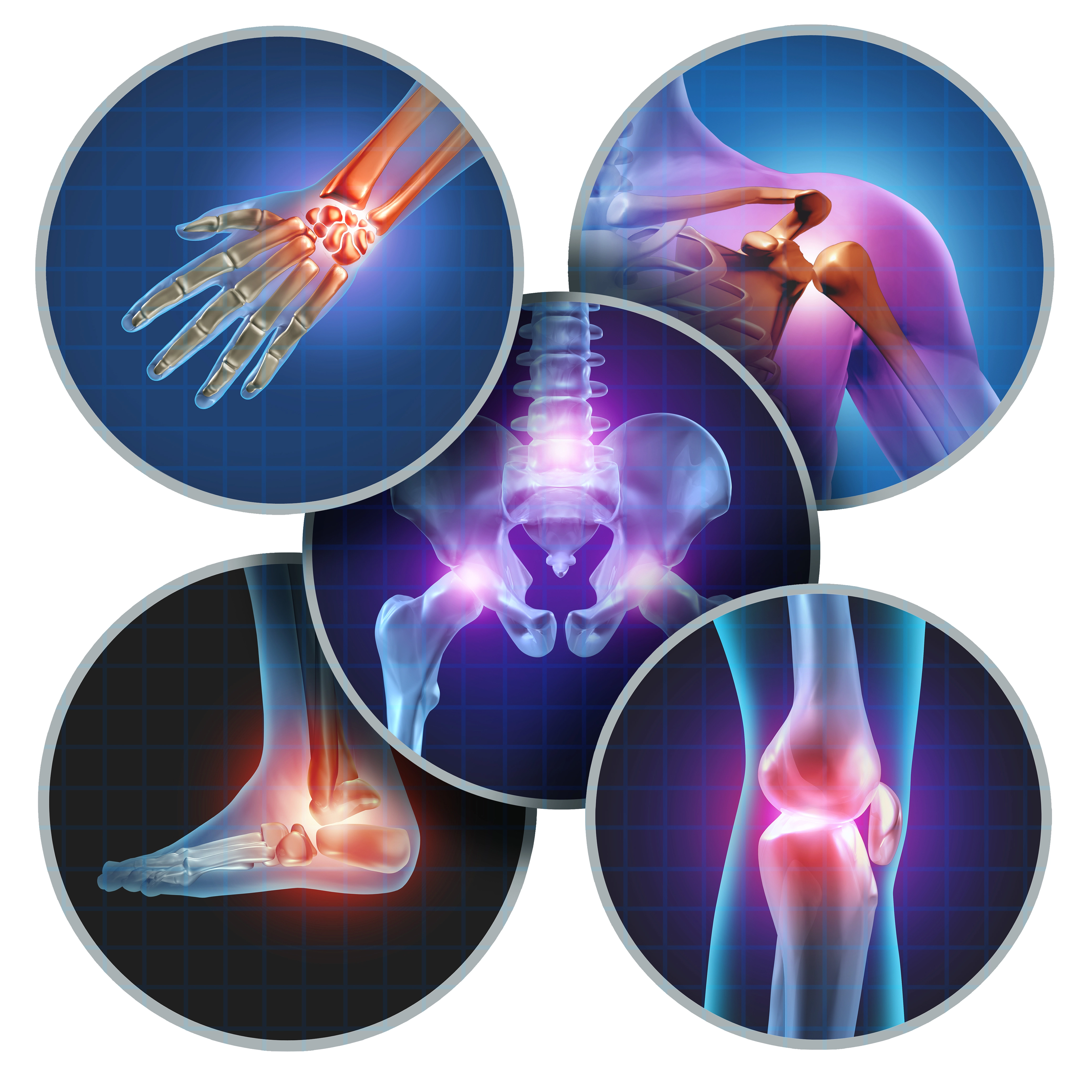
Joint Preservation & Regenerative Orthopedics
Joint Preservation & Regenerative Orthopedics
Advanced, Natural, and Minimally Invasive Solutions to Save Your Joints
Joint pain can significantly affect your mobility, confidence, and overall quality of life. Whether caused by sports injuries, early arthritis, cartilage wear, or repetitive strain, joint problems can limit your everyday activities—walking, climbing stairs, or even lifting your arm can become painful. But the good news is that today’s orthopedic medicine offers highly advanced, tissue-preserving treatments that can restore movement without immediately opting for major surgeries like joint replacement.
Joint Preservation & Regenerative Orthopedics focuses on protecting your natural joint structure for as long as possible. Instead of simply treating symptoms, these therapies target the root cause—damaged cartilage, inflammation, tendon tears, ligament injuries, or early degeneration. With modern regenerative techniques, healing comes from within, promoting natural repair and long-term joint health.
What Is Joint Preservation?
Joint preservation includes a wide range of medical and surgical strategies designed to maintain, repair, or restore the natural joint, delaying—or even eliminating—the need for joint replacement. These techniques are especially beneficial for young adults, athletes, and active individuals who want to avoid invasive surgery and maintain their natural joint function.
The goal is simple yet powerful:
✔ Preserve your real joint
✔ Reduce pain and inflammation
✔ Improve mobility
✔ Support long-term joint health
✔ Promote natural healing
Regenerative Orthopedics — Healing Powered by Your Own Body
Regenerative orthopedics is a breakthrough field that stimulates the body’s own tissues to repair damage. These treatments use biological substances—such as platelets, cells, or growth factors—to accelerate healing where the body struggles to heal on its own.
Some of the most effective regenerative therapies include:
1. Platelet-Rich Plasma (PRP) Therapy
PRP is one of the most trusted and widely used regenerative treatments in orthopedics today. A small amount of the patient’s blood is processed to concentrate platelets—cells rich in natural growth factors. When injected into an injured joint or tendon, PRP sparks rapid healing and reduces inflammation.
Effective for:
-
Early knee arthritis
-
Ligament sprains
-
Tennis elbow/golfer’s elbow
-
Rotator cuff injuries
-
Tendon and cartilage wear
Patients often experience improved mobility and reduced pain within a few weeks.
2. Stem Cell–Based Therapies / Cellular Regenerative Treatments
Cell-based therapies involve using your body's own cells to regenerate damaged tissues. These cells have the potential to develop into cartilage, tendon, or ligament cells—making them especially beneficial for moderate arthritis, severe sports injuries, or cartilage defects.
Benefits include:
-
Improved cartilage quality
-
Reduced stiffness
-
Enhanced shock absorption in joints
-
Delayed need for surgery
These treatments are minimally invasive and offer long-term results.
3. Viscosupplementation (Hyaluronic Acid Injections)
For patients with early or moderate knee arthritis, hyaluronic acid injections act as a lubricant and cushion, improving joint movement and reducing friction.
It helps:
-
Reduce joint pain
-
Enhance knee flexibility
-
Improve shock absorption
-
Delay progression of arthritis
4. Cartilage Restoration Procedures
Cartilage damage doesn’t heal on its own—but modern joint preservation techniques can restore it.
Popular methods include:
-
Microfracture Surgery: Stimulates new cartilage growth
-
OATS Procedure (Osteochondral Autograft Transfer): Moves healthy cartilage to damaged areas
-
Autologous Chondrocyte Implantation (ACI): Grows new cartilage cells in a lab and implants them
-
Arthroscopic Debridement: Smoothens rough cartilage to reduce pain
These treatments are ideal for young or active individuals with isolated cartilage defects.
5. Ligament & Tendon Preservation
Instead of reconstructing or removing tissues, joint preservation focuses on repairing and reinforcing structures such as:
-
ACL / PCL ligament repairs
-
Meniscus repair (not removal)
-
Tendon augmentation
-
Arthroscopic ligament tightening
This approach helps maintain natural joint stability and function.
Conditions Treated Using Joint Preservation & Regenerative Orthopedics
You may be an excellent candidate if you suffer from:
-
Early to moderate arthritis
-
Cartilage wear or defects
-
Sports injuries
-
Meniscus injuries
-
Ligament sprains/tears
-
Tendonitis or chronic tendon pain
-
Shoulder impingement or rotator cuff problems
-
Hip labrum injuries
-
Ankle instability
-
Knee pain due to overuse
-
Osteochondral lesions
These techniques are designed to save your joint, especially when detected early.
Why Choose Joint Preservation Over Joint Replacement?
Joint replacement is an excellent option for advanced arthritis, but many patients—especially young and active individuals—can avoid it for years with joint preservation.
Benefits include:
✔ Minimally invasive
✔ Faster recovery
✔ Preserves natural anatomy
✔ Reduces long-term complications
✔ Helps delay or avoid major surgery
✔ Excellent for athletes and active lifestyles
Who Is an Ideal Candidate?
You may be a candidate for joint preservation if:
-
You experience chronic joint pain or stiffness
-
You are under 60 and prefer to avoid joint replacement
-
You have cartilage damage but not severe arthritis
-
You play sports or maintain an active lifestyle
-
You want a natural, regenerative approach to healing
Modern imaging—like MRI and arthroscopy—helps customize the best treatment plan for your condition.
Recovery & Rehabilitation
Most regenerative procedures require little to no downtime. Patients are often able to:
-
Walk on the same day
-
Return to desk work in 1–2 days
-
Resume sports in 4–12 weeks depending on injury
A personalized physiotherapy program enhances healing and ensures lasting results.
5 FAQs About Joint Preservation & Regenerative Orthopedic Procedures
1. Are regenerative treatments like PRP or stem cell therapy safe?
Yes. Because these treatments use your own blood or cells, the risk of allergic reaction or complications is extremely low. They are minimally invasive and scientifically proven to aid healing.
2. Does PRP or stem cell therapy replace surgery?
Not always. These therapies are best for early to moderate joint problems. In advanced arthritis, joint replacement may still be needed. However, joint preservation can delay major surgery for many years.
3. How long does it take to see results?
Most patients start noticing improvement within 2–6 weeks, with continued progress for several months as tissues heal naturally.
4. Is the procedure painful?
There may be mild discomfort during the injection, but it is generally well-tolerated. Most patients resume normal activities quickly after the procedure.
5. How do I know which treatment I need?
A detailed evaluation—including physical examination and imaging such as X-rays or MRI—is required. The orthopedic specialist then recommends the best treatment based on your injury, age, activity level, and expectations.