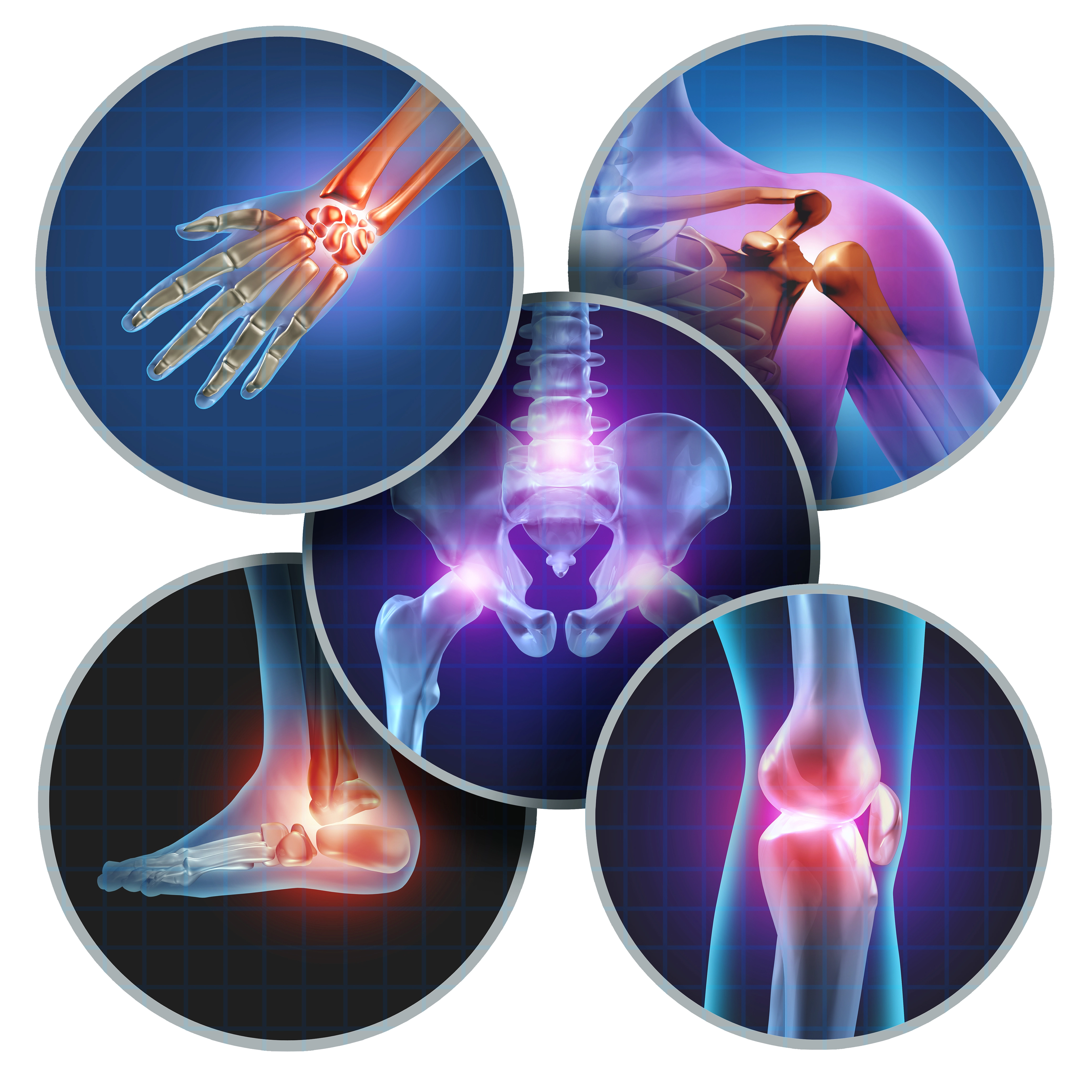
Fracture & Trauma Care
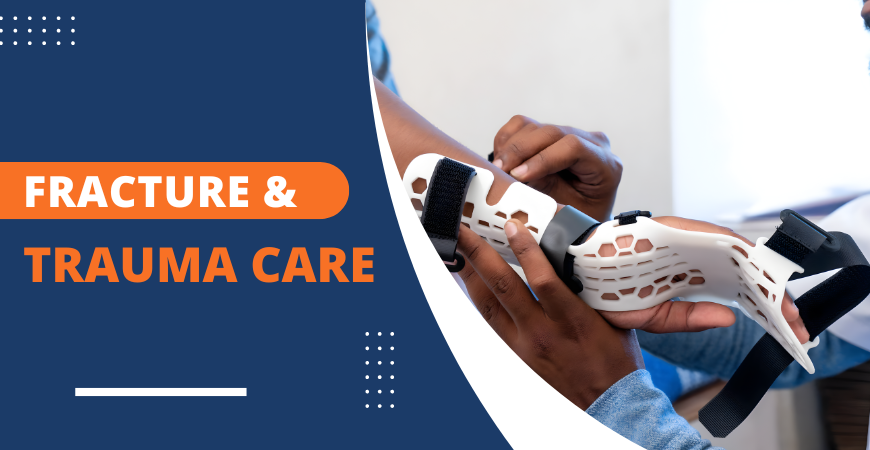
Fracture & Trauma Care
Injuries can happen in an instant—whether from a fall, a road accident, a sports injury, or an unexpected impact. Fractures and traumatic injuries not only cause intense pain but can also create fear, confusion, and uncertainty about recovery. Effective and timely Fracture & Trauma Care is crucial because the first treatment often determines the long-term outcome of the injury, mobility, and overall function of the limb.
Modern orthopedics has made it possible to treat even the most complex fractures with precision and speed. With advanced imaging, minimally invasive surgical techniques, and scientific rehabilitation protocols, patients can recover faster and regain full function with confidence. Whether it’s a simple hairline crack or a severe, complicated injury, professional trauma care ensures stability, alignment, and long-term healing.
Understanding Fractures & Trauma Injuries
A fracture occurs when the continuity of a bone breaks due to external force, stress, or medical conditions like osteoporosis. Trauma injuries may involve bones, muscles, ligaments, nerves, or soft tissue.
Common types of fractures include:
-
Simple (Closed) Fractures – Bone breaks but skin remains intact
-
Compound (Open) Fractures – Bone pierces through the skin, requiring emergency care
-
Comminuted Fractures – Bone breaks into multiple pieces
-
Displaced & Non-displaced Fractures – Depending on whether bone ends remain aligned
-
Stress Fractures – Tiny cracks due to repetitive pressure
-
Pathological Fractures – Fractures caused by weakened bones due to diseases
Trauma care becomes even more vital when injuries involve multiple bones, joints, or soft tissues.
Why Timely Care Matters
Immediate and proper fracture management is essential for:
-
Preventing deformity or functional loss
-
Reducing pain and swelling
-
Avoiding complications like infection or nerve damage
-
Ensuring correct alignment and bone healing
-
Returning to daily activities sooner
Delaying treatment can lead to long-term disability, joint stiffness, malunion (bones healing incorrectly), or chronic pain.
Advanced Treatment Options for Fracture & Trauma Care
Orthopedic trauma care has evolved to include a wide range of modern treatment techniques tailored to the patient's injury, age, activity level, and overall health.
1. Plaster Application & Casting
Used for stable fractures, casts help immobilize the bone and ensure proper healing. Lightweight and comfortable materials allow patients to move safely during recovery.
2. Closed Reduction
A non-surgical method where bone fragments are gently aligned without incisions. This is ideal for minor fractures that do not require fixation.
3. Internal Fixation (ORIF – Open Reduction and Internal Fixation)
For complex or displaced fractures, surgery is performed to realign the bone and hold it in place using:
-
Plates
-
Screws
-
Rods
-
Nails
-
Wires
These implants allow bones to heal in their correct position and help patients regain mobility faster.
4. External Fixation
A frame outside the body is connected to pins inserted in the bone. This is used for high-impact trauma, open fractures, or injuries with significant swelling.
5. Minimally Invasive Trauma Surgery
Advanced techniques allow surgeons to stabilize fractures through small incisions, which result in:
-
Minimal blood loss
-
Reduced pain
-
Faster recovery
-
Early return to movement
6. Joint & Soft Tissue Reconstruction
Many trauma injuries also affect ligaments, tendons, and muscles. Reconstruction ensures full restoration of joint function and long-term stability.
What to Expect During Recovery
Recovery from fractures varies depending on the injury type, but the goal remains the same—to regain strength, mobility, and stability. A personalized rehabilitation plan may include:
-
Physiotherapy
-
Strength training
-
Flexibility exercises
-
Gait training
-
Gradual weight-bearing guidance
With proper treatment and commitment to physiotherapy, patients typically return to normal activities within weeks to months, depending on the severity of the injury.
Who Needs Fracture & Trauma Care?
This service is essential for:
-
Accident or fall victims
-
Sports players with bone injuries
-
Elderly patients with fragile bones
-
Children with growth-plate fractures
-
Individuals with workplace injuries
-
Anyone experiencing severe pain, swelling, deformity, or inability to move a limb
Regardless of the cause, early evaluation ensures the best outcome.
Why Choose Expert Trauma Care?
Professional trauma care is not just about healing the bone—it’s about:
-
Protecting the surrounding muscles, nerves, and blood vessels
-
Maintaining proper limb alignment
-
Preventing long-term complications
-
Restoring full function and mobility
With accurate diagnosis, safe surgical techniques, and advanced rehabilitation, patients experience faster healing and better long-term results.
Frequently Asked Questions (FAQs)
1. How do I know if I have a fracture or just a sprain?
Symptoms like severe pain, swelling, bruising, inability to move the limb, or visible deformity suggest a fracture. However, only an X-ray or scan can confirm it accurately.
2. Do all fractures require surgery?
No. Many fractures heal well with casting, splinting, or closed reduction. Surgery is recommended only for complex, open, or displaced fractures that cannot heal properly without fixation.
3. How long does it take for a fracture to heal?
Most fractures heal in 6–12 weeks, depending on bone type, age, and overall health. Some severe injuries may take longer and require physiotherapy for complete recovery.
4. Will I be able to walk or use the injured limb normally again?
Yes. With timely care and consistent rehabilitation, most patients regain full function. Early physiotherapy helps restore strength, balance, and flexibility.
5. What are the risks of delaying fracture treatment?
Delay can lead to malunion (wrong healing), deformity, stiffness, chronic pain, or permanent disability. Early treatment ensures the best outcome.