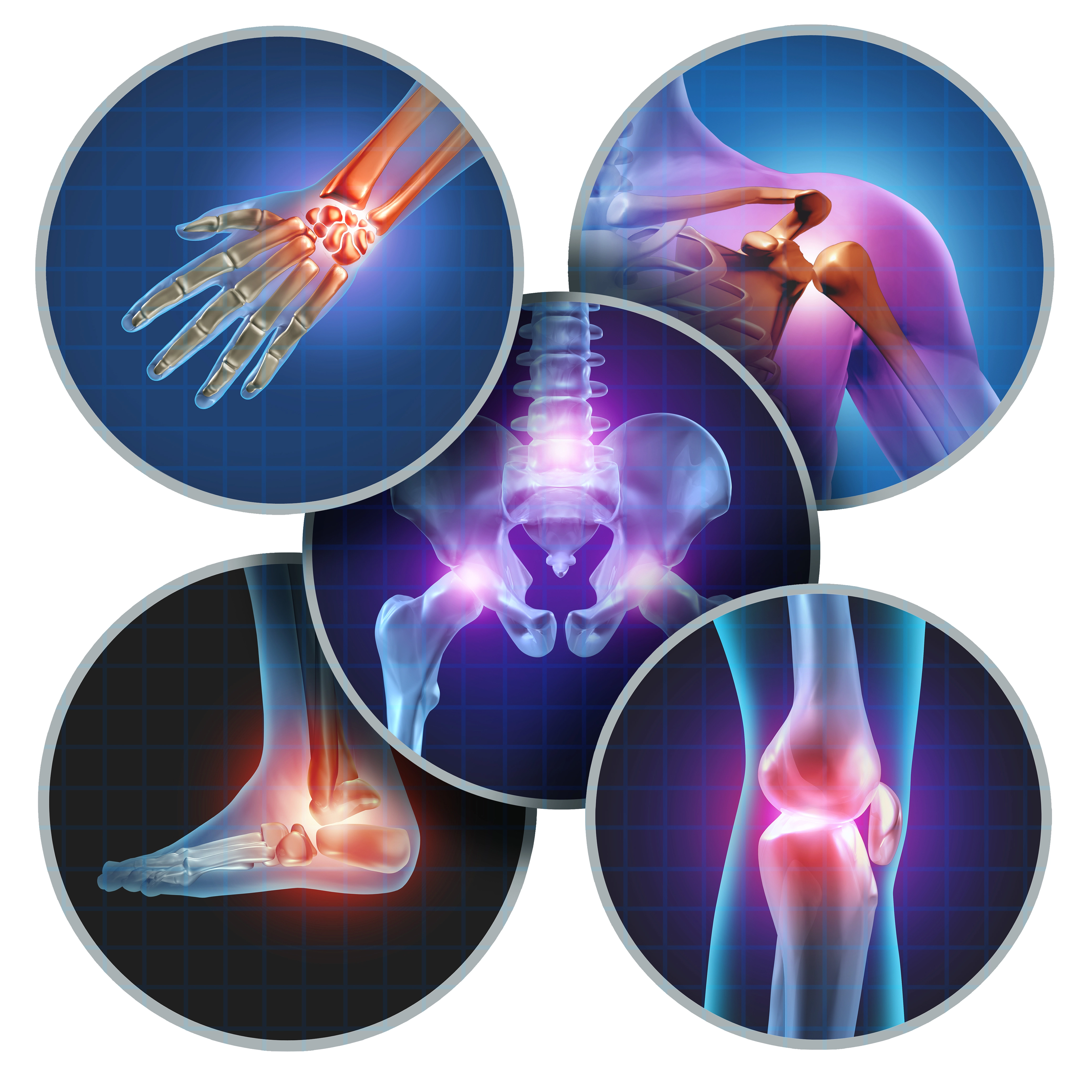
Physiotherapy & Rehabilitation
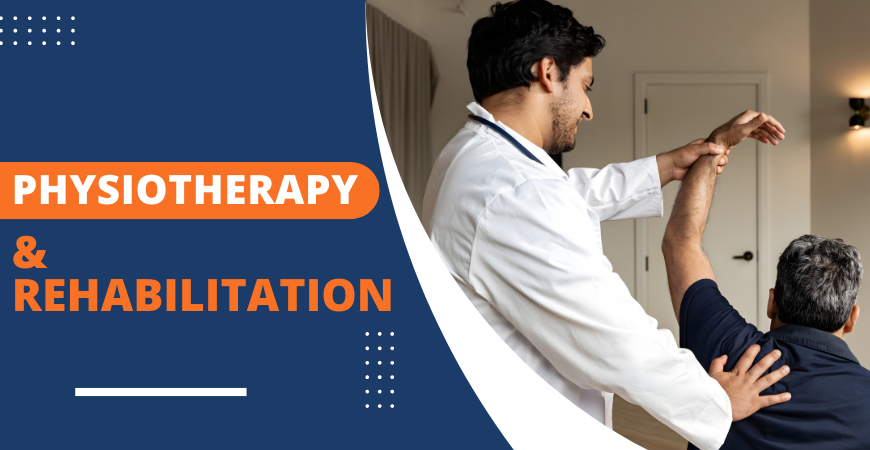
Physiotherapy & Rehabilitation
In today’s active world, staying pain-free and mobile is essential for leading a fulfilling life. Whether you’re recovering from surgery, healing from an injury, or managing a long-term condition, Physiotherapy & Rehabilitation plays a vital role in restoring movement, strength, and overall well-being. It is a scientific and personalized approach to helping your body heal naturally, regain balance, and return to normal activities with confidence.
Physiotherapy is more than just exercises—it is a combination of skilled assessment, targeted treatments, and guided recovery plans designed to enhance your body’s natural healing ability. With expert supervision and advanced techniques, physiotherapy helps patients bounce back faster, prevent future injuries, and live healthier, more active lives.
Why Physiotherapy Is Important
The human body is designed for movement, and when an injury, surgery, or illness disrupts that movement, physiotherapy steps in to restore function. It provides benefits such as:
-
Pain reduction without excessive medication
-
Improved strength and flexibility
-
Faster recovery after orthopedic surgeries
-
Better joint mobility and balance
-
Prevention of future injuries
-
Enhanced overall physical performance
Whether you're an athlete recovering from a sports injury, someone healing from a fracture, or a patient who has undergone joint replacement surgery, physiotherapy ensures smoother, safer, and faster healing.
Conditions Treated Through Physiotherapy & Rehabilitation
Physiotherapy effectively treats a wide range of orthopedic and musculoskeletal conditions, including:
1. Post-Surgical Rehabilitation
-
Knee replacement
-
Hip replacement
-
Shoulder surgery
-
Arthroscopic procedures
-
Fracture fixation surgeries
A structured rehab plan helps reduce stiffness, restore mobility, and rebuild strength after surgery.
2. Sports Injuries
-
Ligament sprains
-
Muscle tears
-
Tendon injuries
-
Overuse injuries
-
Cartilage damage
Sports physiotherapy helps athletes recover quickly and reduces the risk of recurring injuries.
3. Joint & Back Pain
-
Osteoarthritis
-
Lower back pain
-
Neck pain
-
Frozen shoulder
-
Sciatica
Targeted exercises and manual therapy help relieve pain and improve posture.
4. Traumatic Injuries
-
Fractures
-
Dislocations
-
Soft tissue injuries
Physiotherapy helps regain full function after trauma and prevents long-term stiffness.
5. Chronic Orthopedic Conditions
-
Rheumatoid arthritis
-
Postural imbalance
-
Repetitive strain injuries
Therapy helps manage symptoms and improve quality of life.
Advanced Physiotherapy Techniques
Modern physiotherapy combines scientific research with advanced tools and personalized care. Techniques may include:
1. Manual Therapy
Hands-on techniques such as joint mobilization, soft tissue release, trigger-point therapy, and stretching that relieve pain and improve mobility.
2. Exercise Therapy
Customized strengthening, stretching, balance, and endurance exercises designed to improve muscle function and support recovery.
3. Electrotherapy & Modalities
-
Ultrasound therapy
-
Interferential therapy (IFT)
-
TENS
-
Laser therapy
-
Heat & cold therapy
These reduce pain, inflammation, and muscle spasms.
4. Gait & Posture Training
Corrects walking patterns, improves body alignment, and prevents long-term joint stress.
5. Neuromuscular Re-education
Helps retrain muscles and nerves to work together effectively after injury or surgery.
6. Sports Rehabilitation
Includes agility training, strength conditioning, flexibility work, and performance enhancement programs tailored to athletes.
Role of Rehabilitation After Surgery & Injury
Rehabilitation is a long-term process that ensures complete and safe recovery. It focuses on:
-
Restoring mobility in joints
-
Improving muscle strength and endurance
-
Enhancing coordination and balance
-
Speeding up wound and tissue healing
-
Guiding patients back to daily activities
A well-designed rehabilitation plan not only aids physical healing but also boosts confidence, helping individuals return to work, sports, or daily life with ease.
What to Expect During Your Physiotherapy Sessions
Every session is tailored to your specific needs. The process usually includes:
1. Detailed Assessment
Your physiotherapist evaluates your condition, pain levels, movement restrictions, and lifestyle.
2. Personalized Treatment Plan
A structured plan is created to meet your recovery goals, whether it's walking without pain, returning to sports, or strengthening weak muscles.
3. Hands-on Therapy
Manual therapies are performed to reduce discomfort and improve joint mechanics.
4. Guided Exercises
You learn targeted exercises that can be practiced both during sessions and at home.
5. Progress Monitoring
Your improvement is regularly assessed to ensure steady progress and adjust the treatment plan if needed.
6. Long-term Strength & Flexibility Training
Even after pain reduces, strengthening and conditioning exercises help prevent future injuries.
Frequently Asked Questions (FAQs)
1. How long does physiotherapy take to show results?
Most patients feel improvement within a few sessions. However, long-term recovery depends on the severity of the injury, consistency with home exercises, and individual healing ability.
2. Do I need physiotherapy even after surgery?
Yes. Physiotherapy is essential after orthopedic surgeries like knee, hip, or shoulder replacement. It helps reduce stiffness, restore movement, and strengthen the operated area.
3. Is physiotherapy painful?
Physiotherapy should not be significantly painful. Some discomfort during stretching or strengthening is normal, but therapy always stays within your comfort range.
4. How often do I need to attend physiotherapy sessions?
Your physiotherapist will decide based on your condition. Most patients benefit from 2–3 sessions a week initially, followed by lesser frequency as they improve.
5. Can physiotherapy cure chronic pain?
Yes. Physiotherapy is highly effective in managing chronic conditions like back pain, arthritis, and posture-related pain. It reduces dependency on painkillers and improves long-term mobility.