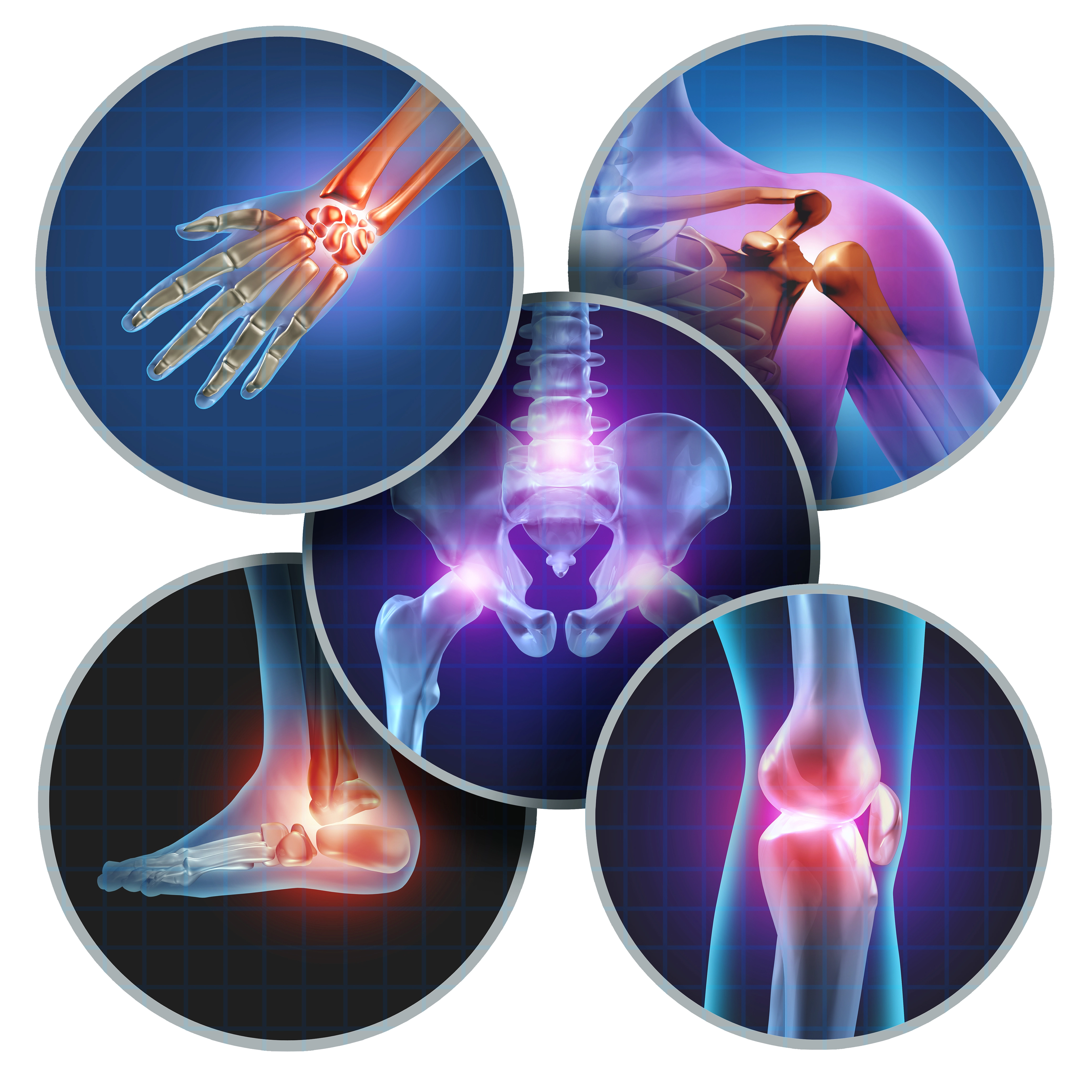
Knee Replacement Surgery
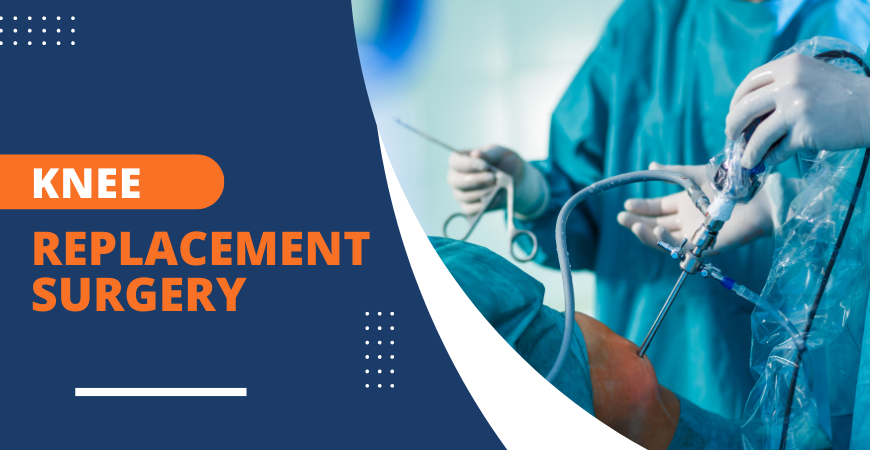
Knee Replacement Surgery
Knee Replacement Surgery—also known as Total Knee Arthroplasty—is one of the most effective and reliable procedures to relieve severe knee pain, restore mobility, and help patients return to a more active, pain-free life. For individuals who have struggled for years with arthritis, sports injuries, trauma, or progressive joint degeneration, knee replacement is often the turning point that brings back comfort, confidence, and independence.
Modern advancements such as robotic-assisted knee replacement, minimally invasive techniques, and precision-based implant positioning have completely transformed how the surgery is performed. Today, patients experience less pain, smaller incisions, faster recovery, and more natural movement than ever before.
Why Do Patients Need Knee Replacement?
Knee replacement is recommended when chronic knee pain or stiffness becomes so severe that daily activities—such as walking, climbing stairs, sitting, or even sleeping—become difficult. The most common conditions leading to knee replacement include:
-
Advanced Osteoarthritis causing cartilage wear and joint friction
-
Rheumatoid Arthritis leading to swelling and joint damage
-
Post-traumatic Arthritis after fractures or ligament injuries
-
Degenerative Joint Disorders that make movement painful
When medications, physiotherapy, lifestyle changes, and injections no longer provide relief, knee replacement becomes a safe and highly effective solution.
How the Surgery Helps You
Knee Replacement Surgery aims to:
-
Eliminate chronic pain
-
Correct deformities such as bow legs or knock knees
-
Restore smooth, natural joint movement
-
Improve quality of life by enabling mobility
-
Increase activity levels so patients can return to daily routines and low-impact activities
Most patients can resume walking the next day, begin physiotherapy immediately, and recover significantly faster with modern surgical technologies.
Types of Knee Replacement Surgery
1. Total Knee Replacement (TKR)
The entire knee joint is replaced with high-quality, long-lasting implants designed to mimic natural movement. This is ideal for severe arthritis or widespread damage.
2. Partial Knee Replacement (PKR)
Only the damaged portion of the knee is replaced, preserving healthy bone and ligaments. This allows quicker recovery and maintains more natural knee function.
3. Robotic Knee Replacement
Cutting-edge robotic technology assists the surgeon in planning and executing the procedure with incredible precision.
Benefits include:
-
Near-perfect implant positioning
-
Greater surgical accuracy
-
Reduced pain and blood loss
-
Faster healing
4. Revision Knee Replacement
A complex procedure performed to correct or replace a previously done knee replacement that may have worn out or failed over time.
What to Expect During the Procedure
Knee replacement is typically completed within 45–60 minutes per knee. The damaged bone and cartilage are removed and replaced with smooth, durable implants. Patients are encouraged to walk with support within 24 hours after surgery. With the right rehabilitation program, most individuals regain excellent function within 4–6 weeks.
Benefits of Knee Replacement Surgery
-
Long-term relief from pain and stiffness
-
Improved mobility and daily functioning
-
Enhanced confidence and comfort in movement
-
Ability to enjoy activities like walking, cycling, yoga, and light sports
-
Precision, safety, and long-lasting results with robotic assistance
Most modern knee implants last 20–25 years or more, making the surgery a lifelong solution for many.
Recovery & Rehabilitation
Recovery is smoother than most patients expect. A personalized rehabilitation plan includes:
-
Guided physiotherapy
-
Strength-building exercises
-
Range-of-motion training
-
Balance and gait improvement
-
Regular follow-up assessments
With proper care and dedication, patients often return to work and routine life far sooner than they imagined.
Frequently Asked Questions (FAQs)
1. Is knee replacement a safe procedure?
Yes. Knee replacement is one of the safest and most commonly performed orthopedic surgeries worldwide. With modern techniques, the risks are minimal, and long-term success rates are extremely high.
2. Is robotic knee replacement better than conventional surgery?
Robotic knee replacement offers exceptional precision, better implant alignment, reduced pain, and quicker recovery. It is particularly beneficial for patients who wish to resume an active lifestyle faster.
3. How long does it take to recover after knee replacement?
Most patients walk the next day, resume daily activities in 2–3 weeks, and return to a comfortable lifestyle in about 4–6 weeks. Complete healing may take a few months, depending on individual health and physiotherapy efforts.
4. How long do knee implants last?
Modern implants are highly durable and typically last 20–25 years, sometimes even longer with proper care, healthy weight management, and low-impact physical activities.
5. Will I be able to sit on the floor after knee replacement?
Yes, many patients can sit cross-legged after recovery, although it depends on flexibility and rehabilitation progress. Your surgeon will guide you based on your specific case.