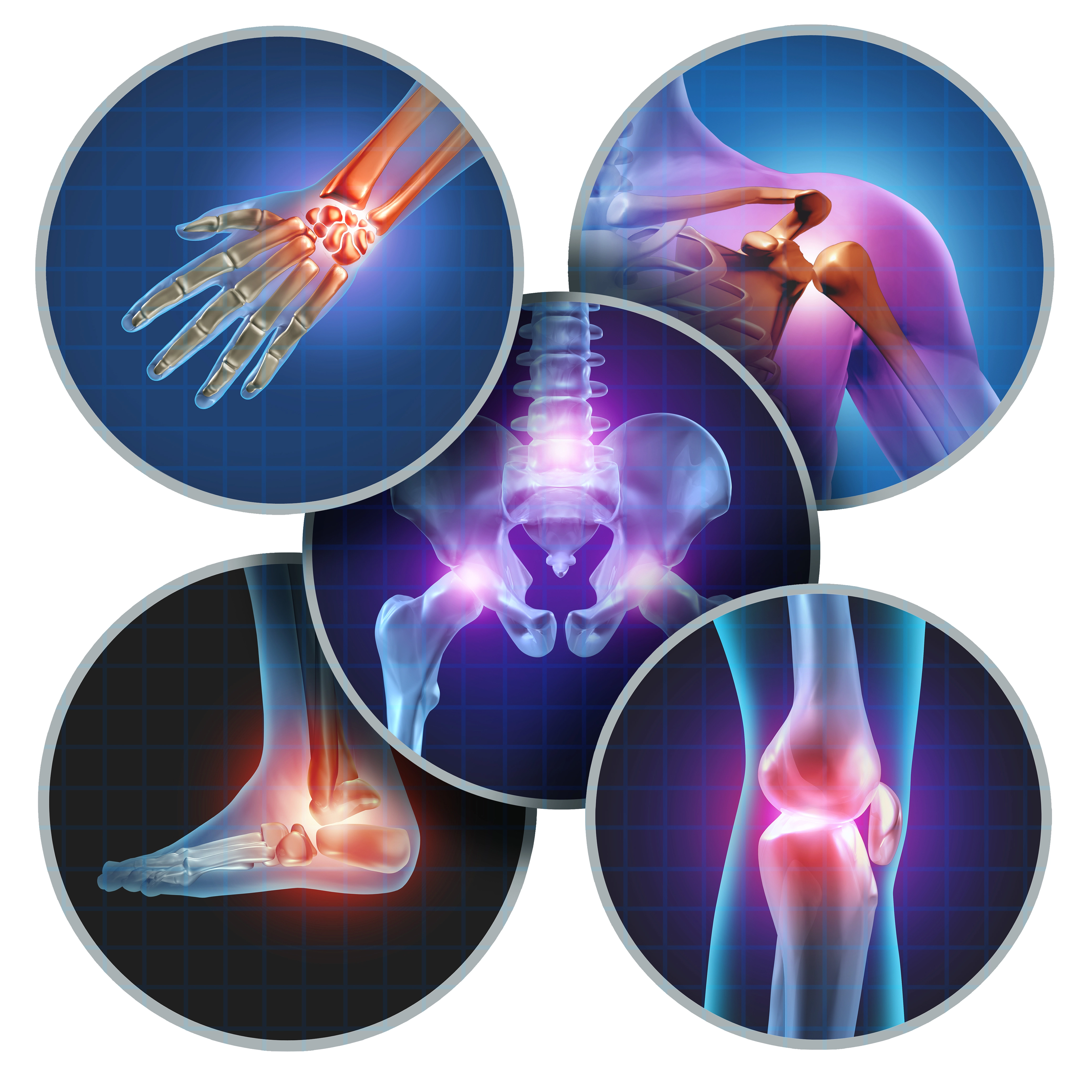
Hip Replacement Surgery
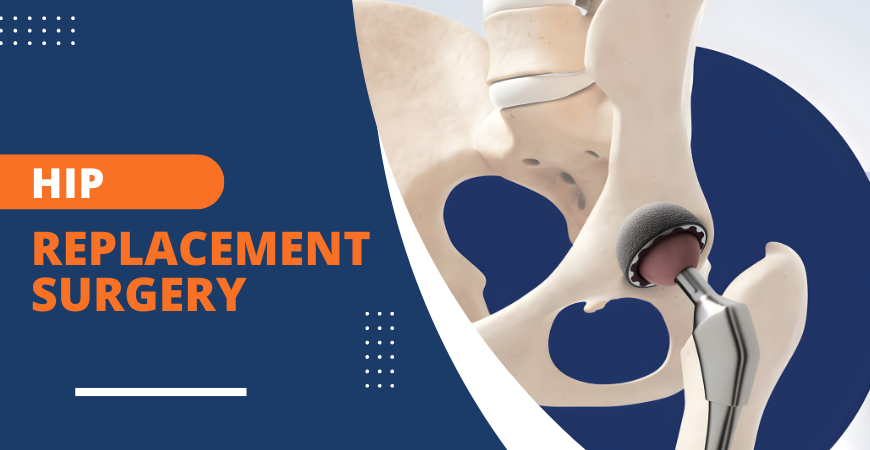
Hip Replacement Surgery
Hip Replacement Surgery—also known as Total Hip Arthroplasty—is a highly successful and transformative procedure designed to relieve chronic hip pain, improve mobility, and help patients regain the freedom to move comfortably. Whether your pain is due to arthritis, injury, or age-related degeneration, a hip replacement can restore your quality of life in a way that feels almost magical for many patients.
Every step of the surgery is planned with precision, ensuring smooth movement, stable joint function, and long-lasting comfort. With the introduction of robotic-assisted hip replacement, advanced implants, and minimally invasive techniques, the procedure has become safer and results more predictable than ever before.
Why Do Patients Need Hip Replacement?
Hip replacement becomes necessary when the hip joint is damaged so severely that walking, bending, sleeping, or even simple daily activities become painful. Common conditions leading to hip replacement include:
-
Osteoarthritis causing cartilage wear and bone friction
-
Avascular Necrosis (AVN) resulting from reduced blood supply to the hip
-
Rheumatoid Arthritis leading to inflammation and joint deformity
-
Hip Fractures or severe trauma
-
Childhood hip disorders that affect the joint later in life
When conservative treatments such as medications, physiotherapy, or injections no longer provide relief, hip replacement is the most dependable and effective solution.
How the Surgery Helps You
Hip Replacement Surgery aims to:
-
Eliminate long-standing hip pain
-
Restore smooth joint movement
-
Improve walking ability and mobility
-
Correct deformity and stiffness
-
Enable patients to return to an active lifestyle
Most people experience dramatic improvement soon after surgery, with better balance, strength, and confidence.
Types of Hip Replacement Surgery
1. Total Hip Replacement (THR)
Both the damaged ball (femoral head) and the socket (acetabulum) are replaced with artificial components. THR is the most common procedure for advanced arthritis or severe joint damage.
2. Partial Hip Replacement
Only the ball of the hip joint is replaced. This is usually recommended in cases of certain types of hip fractures.
3. Robotic Hip Replacement
Robotic technology allows the surgeon to plan the surgery in 3D and execute it with unmatched accuracy.
Benefits include:
-
Better implant positioning
-
Less pain and faster recovery
-
Minimal blood loss
-
Extremely low risk of complications
4. Revision Hip Replacement
Done when a previously replaced hip joint wears out or develops issues. This surgery is more complex and requires advanced expertise.
What Happens During the Procedure?
Hip replacement typically takes 60–90 minutes. The damaged parts of the hip joint are removed and replaced with smooth, durable implants made of metal, ceramic, or high-grade polyethylene. Minimally invasive techniques reduce tissue damage and speed up healing.
Patients usually start walking within 24 hours using support. With proper rehabilitation, they can resume daily activities in a few weeks and feel significantly better within the first month.
Benefits of Hip Replacement Surgery
Hip replacement offers life-changing benefits, including:
-
Long-lasting pain relief
-
Greater flexibility and motion
-
Improved posture and balance
-
Enhanced quality of life and independence
-
Ability to enjoy activities like walking, cycling, light exercises, and travel
Modern implants can last 20–30 years, making the surgery a stable long-term solution for most patients.
Recovery & Rehabilitation
Recovery after hip replacement is predictable and smooth when guided by a proper physiotherapy plan. The key components include:
-
Strengthening exercises for the hip and leg muscles
-
Techniques to improve balance and gait
-
Gentle stretching to increase flexibility
-
Regular follow-ups to monitor healing
Most patients can return to work in 4–6 weeks, depending on their occupation and recovery progress.
Frequently Asked Questions (FAQs)
1. Is hip replacement surgery safe?
Yes. Hip replacement is one of the most successful surgeries in orthopedics, with very high success rates and minimal complications, especially when performed using modern, minimally invasive techniques.
2. When should I consider hip replacement?
You should consider surgery if hip pain affects your sleep, walking, or daily routine, and non-surgical treatments no longer help. Persistent stiffness, limping, and reduced movement are also signs that you may need a hip replacement.
3. How long do hip implants last?
Most modern hip implants last 20–30 years, depending on activity levels, weight, and overall health. Many patients never need a second surgery.
4. Will I be able to walk normally after hip replacement?
Yes. Most patients start walking the next day with support and gradually progress to walking independently. With proper physiotherapy, you can achieve smooth, natural movement.
5. Can I return to sports after hip replacement?
Yes, you can participate in low-impact activities such as walking, cycling, swimming, yoga, and gym exercise. However, high-impact sports should be discussed with your surgeon.